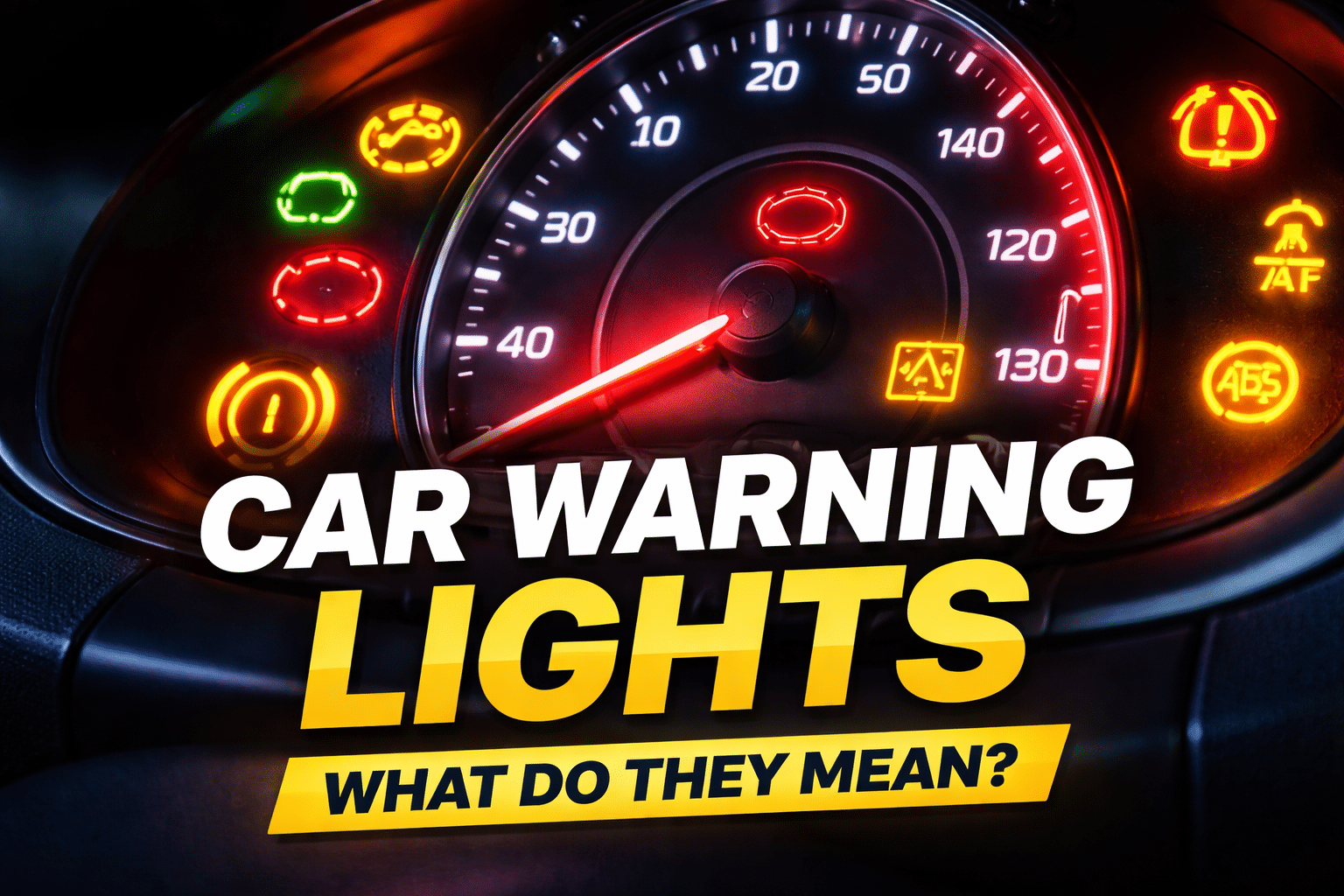
Car warning lights meaning can be confusing. Modern vehicles use dashboard warning lights to alert drivers when something needs attention. While some warning lights require immediate action, others are informational and can be addressed later. As a result, understanding the difference helps you respond calmly and avoid unnecessary stress.
In this guide, we explain what common car warning lights mean, how urgent they are, and what your next step should be.
Car Warning Lights Meaning by Color
Most vehicles use a simple color system to indicate urgency.
According to vehicle safety guidance, warning light colors are designed to help drivers quickly understand the urgency of a situation.
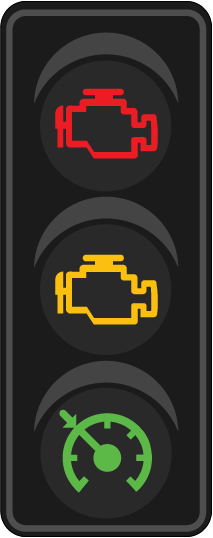

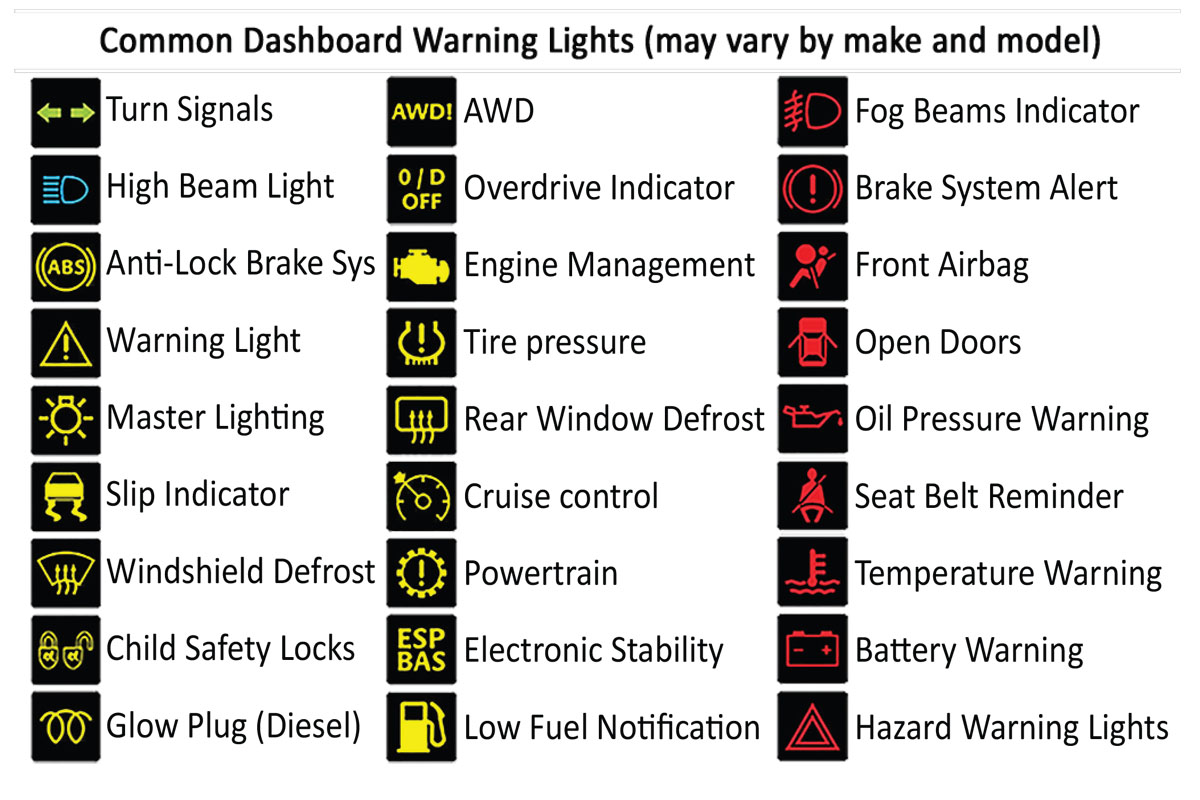
Most vehicles use a simple color system to indicate urgency:
🔴 Red Car Warning Lights Meaning (Immediate Attention)
However, red lights typically indicate a serious issue. Continued driving can affect safety or cause damage.
For example, common red warning lights include:
Engine oil pressure
Engine temperature
Brake system
Battery charging system
Airbag (SRS)
What to do:
Therefore, if a red warning light appears, it’s best to pull over when safe and assess the situation. Continuing to drive may increase the risk of damage or safety concerns.
🟡 Yellow Car Warning Lights Meaning (Check Soon)
In most cases, yellow or amber lights signal a system issue. However, it is not always an emergency.
For instance, examples include:
Check engine light
ABS warning
Tire pressure monitoring system (TPMS)
Traction control
Power steering warning
What to do:
In many situations, the vehicle can be driven cautiously for a short time. As a result, diagnosing the issue soon can help prevent further complications.
🟢 Green / 🔵 Blue Lights — Information Only
Meanwhile, these lights indicate that a system is active or functioning normally.
Examples:
Headlights on
Cruise control active
Turn signals
What to do:
No action is required.
Common Car Warning Lights Meaning Explained

🔧 Check Engine Light
In simple terms, the engine or emissions system has detected an issue.
In most situations, it is usually not urgent unless flashing.
For example, common causes include a loose gas cap, oxygen sensor, or mass air flow sensor issues.
Therefore, the next step is to use a diagnostic scan to help identify the issue.
🛢️ Oil Pressure Warning Light
Put simply, this means there is low or no oil pressure.
In this case, the urgency is high.
Common causes: Low oil level, oil pump issues.
As a result, the next step is to stop driving and check oil levels when safe.
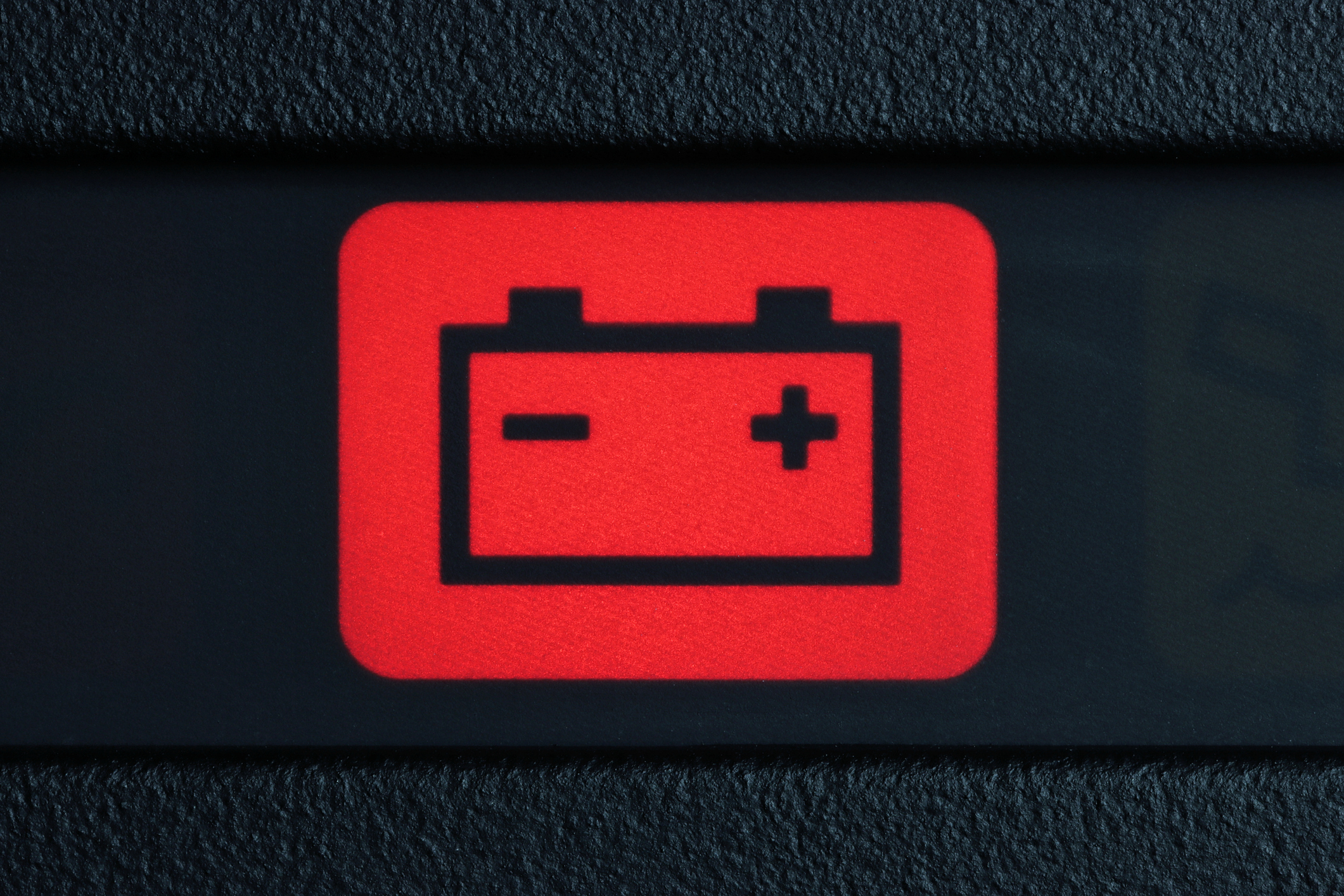
🔋 Battery Warning Light
In this case, the vehicle’s charging system may not be working properly.
In most cases, the urgency is moderate to high.
Common causes: Alternator issues, battery problems.
Therefore, the next step is to reduce electrical usage and have the system checked.
🚗 Tire Pressure Warning (TPMS)
In many cases, this means one or more tires may be under-inflated.
Generally, the urgency is low to moderate.
Common causes: Temperature changes, slow air leaks.
Consequently, the next step is to check tire pressure and inflate to recommended levels.
🛑 ABS Warning Light
Essentially, the anti-lock braking system may not function as intended.
Typically, the urgency is moderate.
Common causes: Wheel speed sensors, ABS module issues.
Next step: Even so, normal braking usually remains available, but ABS should be diagnosed.
Why Car Warning Lights Meaning Matters
To begin with, ask yourself:
First, is the light red or flashing?
Next, does the car feel different (loss of power, overheating, shaking)?
Finally, did the light appear suddenly?
As a general rule, follow this guidance:
Flashing or red lights → stop driving when safe
Solid yellow lights → diagnose soon
Green or blue lights → informational only
Ultimately, when in doubt, professional inspection is recommended.
Helpful Tools for Understanding Car Warning Lights Meaning
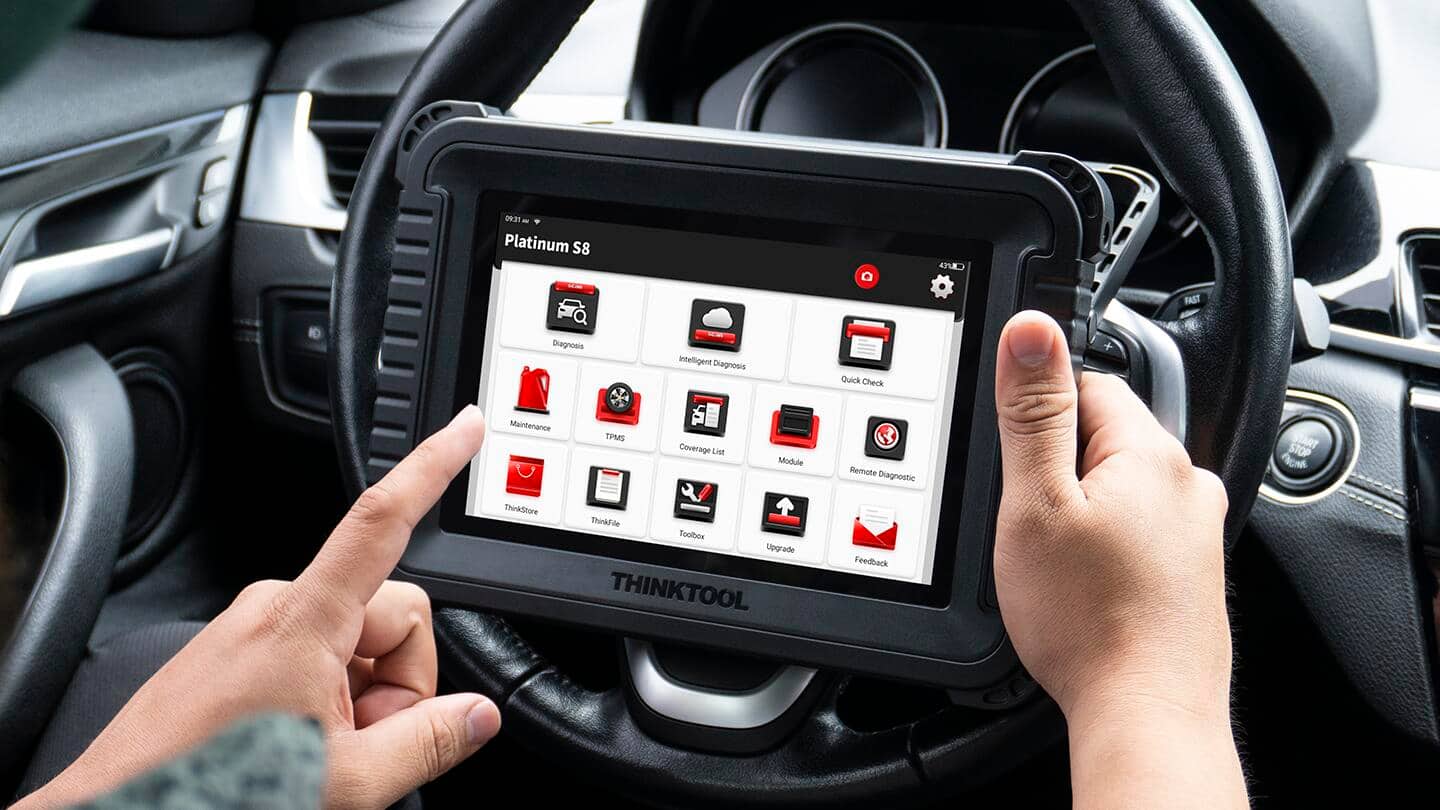

In addition, some tools can help drivers better understand warning lights:
OBD2 scanners for reading diagnostic codes
Portable tire inflators for tire pressure warnings
Emergency car kits for roadside preparedness
Overall, these tools are optional but can provide helpful information when a warning light appears.
Car Warning Lights Meaning: Frequently Asked Questions
Can I drive with the check engine light on?
In many cases, yes—if the light is solid and the vehicle is driving normally. A flashing light should be addressed immediately.
Why did my warning light turn off by itself?
Some issues are temporary. Even if the light turns off, stored diagnostic codes may still be present.
Is it safe to reset warning lights?
Resetting a light does not fix the underlying issue. Mechanics recommend diagnosis before clearing codes.
Final Thoughts
Ultimately, dashboard warning lights are designed to inform—not to cause panic.
For this reason, some warning lights need immediate attention.
Meanwhile, others can wait and be checked later.
As a result, drivers can respond calmly and make safer decisions.
Consequently, drivers who understand warning lights can take action with confidence.
This guide helps.
It stays clear.
Leave a Reply