
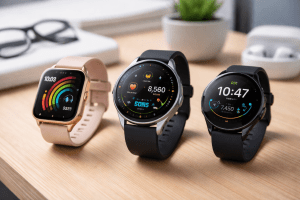
Smart Watches That Improve Everyday Life
What separates modern smart watches from earlier wearable is not the number of features, but how intelligently those features adapt to daily routines. The most useful devices are not the ones that track the most data, but the ones that help users act on that data in simple, practical ways over time.
In this guide, these devices are explained in terms of how they improve everyday life, which features matter most, and how to choose the right option based on real needs—not marketing hype. How to Choose the Right Smart Watch
🧠 What to Look For in Smart Watches
Before choosing a smart watch, it’s important to understand which features actually add value to daily life.
In everyday use, comfort and battery life often matter more than advanced features. Many users stop wearing smart watches because frequent charging or poor fit becomes inconvenient. Choosing a device that blends naturally into daily routines usually leads to better long-term satisfaction than selecting one based solely on specifications.
Health tracking accuracy – Reliable sensors provide better long-term insights
Battery life – Longer battery life reduces daily charging frustration
Phone compatibility – Some watches work best with specific phone systems
Comfort & fit – A watch worn daily should feel natural on the wrist
Software support – Regular updates improve performance and longevity
Choosing a device based on these factors helps avoid paying for features you won’t use.
⌚ What Are Smart Watches?
Smart watches are wearable devices worn on the wrist that connect directly to smartphones. They display notifications, track activity, and run lightweight apps designed for quick interaction.
Most modern wearables include sensors that measure heart rate, movement, and sleep. These features help users stay aware of daily activity and general wellness patterns.
How Artificial Intelligence Makes Smart Watches More Useful
Newer smart watch models use software and artificial intelligence to analyze trends over time rather than focusing on single data points. By identifying patterns in activity, sleep, and heart rate, AI helps turn raw numbers into insights that are easier to understand and apply in daily life.
This makes smart watches more helpful for users who care about long-term habits and consistency rather than short-term metrics.
🌟 How Smart Watches Improve Daily Life
In everyday use, smart watches help simplify daily routines by minimizing the need to constantly check a smartphone. By placing essential information on the wrist, users can stay informed and focused.
Key everyday benefits include:
Checking messages and reminders at a glance without pulling out a phone
Managing schedules more efficiently through timely alerts and notifications
Reducing interruptions by giving users control over which notifications appear
Over time, having essential information available on the wrist reduces the habit of constantly checking a smartphone. This can improve focus during work, reduce unnecessary interruptions, and make daily routines feel more intentional. By filtering information instead of increasing it, smart watches help users stay connected while maintaining better control over attention and time.
In addition to convenience, smart watches also support an active lifestyle by monitoring steps, workouts, and overall movement throughout the day.
As a result, many users experience better focus, improved time management, and less dependence on frequent phone use.
❤️ Health and Wellness Tracking on Smart Watches
For many users, health tracking is one of the main reasons people choose smart watches. Common features include:
Heart rate monitoring
Sleep tracking
Daily movement and activity tracking
Oxygen or stress indicators (on supported models, intended for general wellness awareness)
In practice, these features are most useful when viewed as trends over time. These devices help users notice patterns and changes that may encourage healthier habits.
🎙️ Voice Control and Hands-Free Use
Many smart watches include voice assistants that allow hands-free interaction. Users can set reminders, send quick replies, or check information without touching their phone.
This is especially useful during workouts, commuting, or busy moments when reaching for a phone isn’t practical.
🏃 Fitness and Activity Support
In addition, smart watches support fitness by helping users stay aware of their activity levels without manual tracking. Some models also suggest movement goals or recovery reminders based on usage patterns.
Clear, simple feedback helps users stay motivated without feeling overwhelmed by data.
📱 Staying Connected Without Constant Phone Use
By delivering calls, messages, and app notifications directly to the wrist, smart watches help users stay informed while limiting phone interruptions.
Many devices allow users to control which notifications appear. This makes it easier to stay connected without constant distractions.
🎨 Personalization and Daily Use
Smart watches adapt to user habits over time. As routines develop, reminders and prompts become more relevant.
Customization options—such as watch faces, alert settings, and activity goals—allow users to tailor the experience to their lifestyle.
🛍️ Are Smart Watches Worth Buying?
Smart watches are not essential for everyone. Users who prefer minimal technology or already manage their routines effectively may find limited added value. The benefits are greatest for individuals who actively engage with the insights provided and use the device consistently as part of daily life.
They are especially useful for users who want quick access to information without constant phone use. Those interested in exploring available smart watch models can review current offerings from established retailers.
🧠 How to Choose the Right Smart Watch
Choosing the right smart watch depends on personal priorities. Before buying, consider:
How often you plan to wear it
Which health features matter most
Whether you prefer simplicity or advanced tools
How well it fits your daily routine
A well-chosen smart watch becomes a helpful companion rather than a distraction.
❓ Frequently Asked Questions
Do smart watches replace smartphones?
No. They work best as companion devices.
Are these devices accurate for health tracking?
They are useful for tracking general trends over time, not for medical diagnosis.
How long do smart watches typically last?
Most last several years with proper care and software updates.
🧾 Final Thoughts
Smart watches continue to improve as wearable technology advances. When chosen carefully, they can support better habits, improved focus, and everyday convenience. Understanding how these devices work—and which features matter most—helps users make smarter buying decisions and avoid paying for features they won’t use.
Leave a Reply